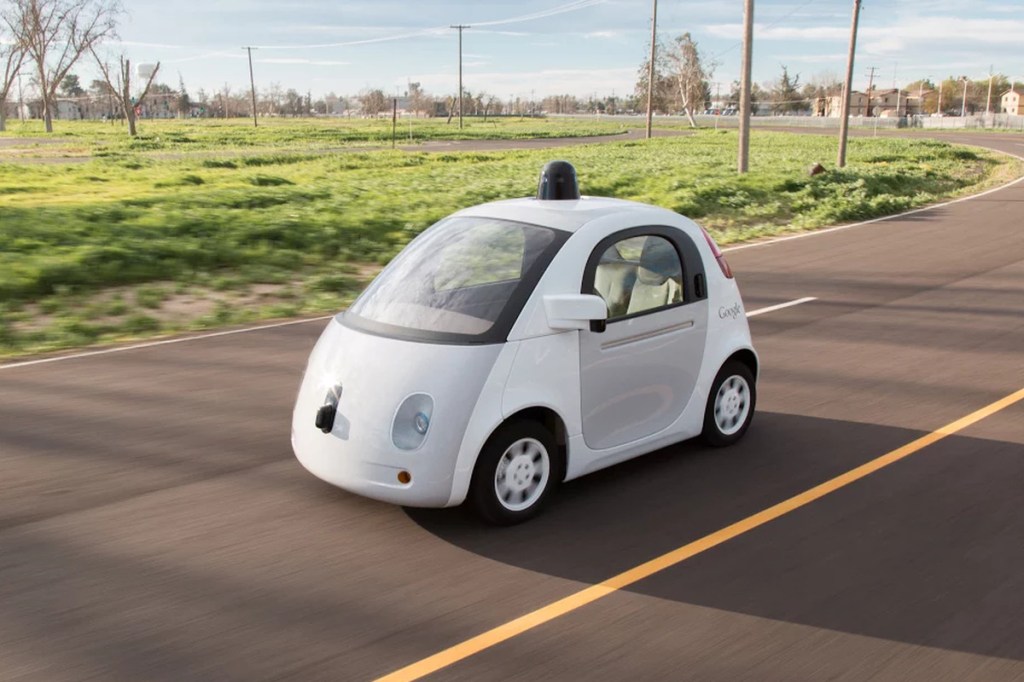
Tesla owner Elon Musk estimates that Tesla will have fully automated cars by 2020. We have seen many improvements over the last decades in car capabilities, such as anti-lock brakes and stability control, but the next generation will be different. Cars will be able to drive by themselves. On the bright side, this means less traffic (no human reaction time nor errors), far less accidents, and more time saved for consumers. Humans on average get in accidents every half a million miles, but Google’s automated cars have driven longer than this and have not been in accidents.
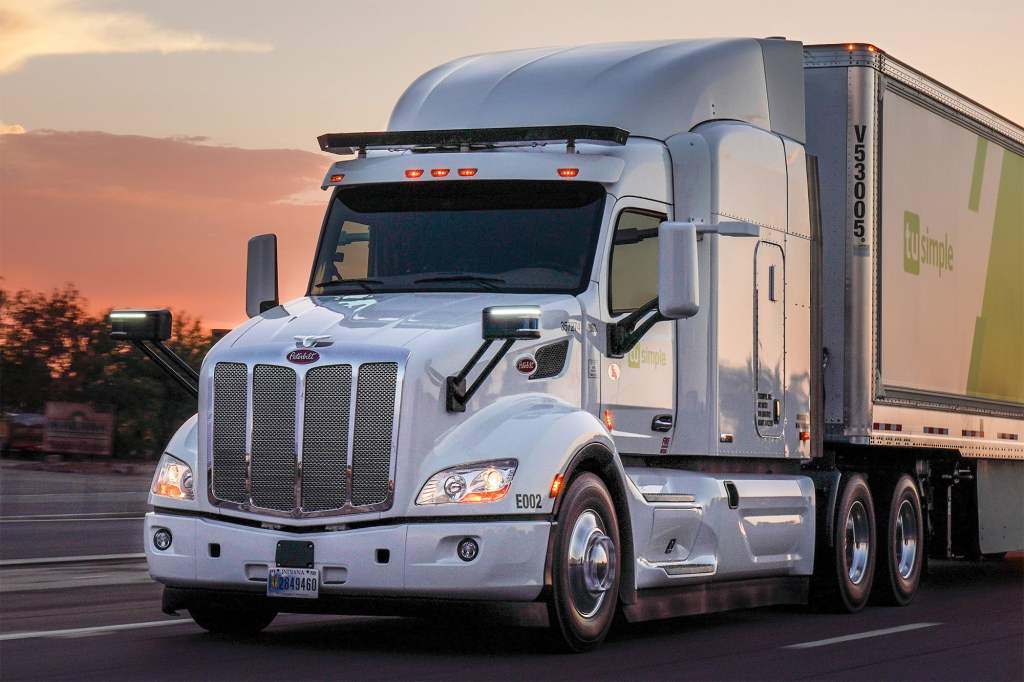
But what about the negative effects? Transportation is an industry that employs over 13 million people in the United States alone, meaning that any technological changes will have significant effects. For example, take truck driving. It is the most popular job in 28 states. Once the final barriers are cleared in self driving capabilities, what happens when roughly 3 million truck driving jobs basically disappear? This has already happened to the manufacturing industry, over 4 million manufacturing jobs have been automated since 2000, and it is rare to see these individuals re-enter the workforce. These are questions politicians need to start talking about. Some technologists and entrepreneurs such as Andrew Yang and Elon Musk suggest universal basic income as a way to mitigate the damage caused by the disappearing jobs of the future.
For more information on this subject, visit https://evonomics.com/what-will-happen-to-truck-drivers-ask-factory-workers-andrew-yang/ and https://www.inverse.com/article/60919-automation-jobs-millions-lost
 Jacob's Computer Science Blog